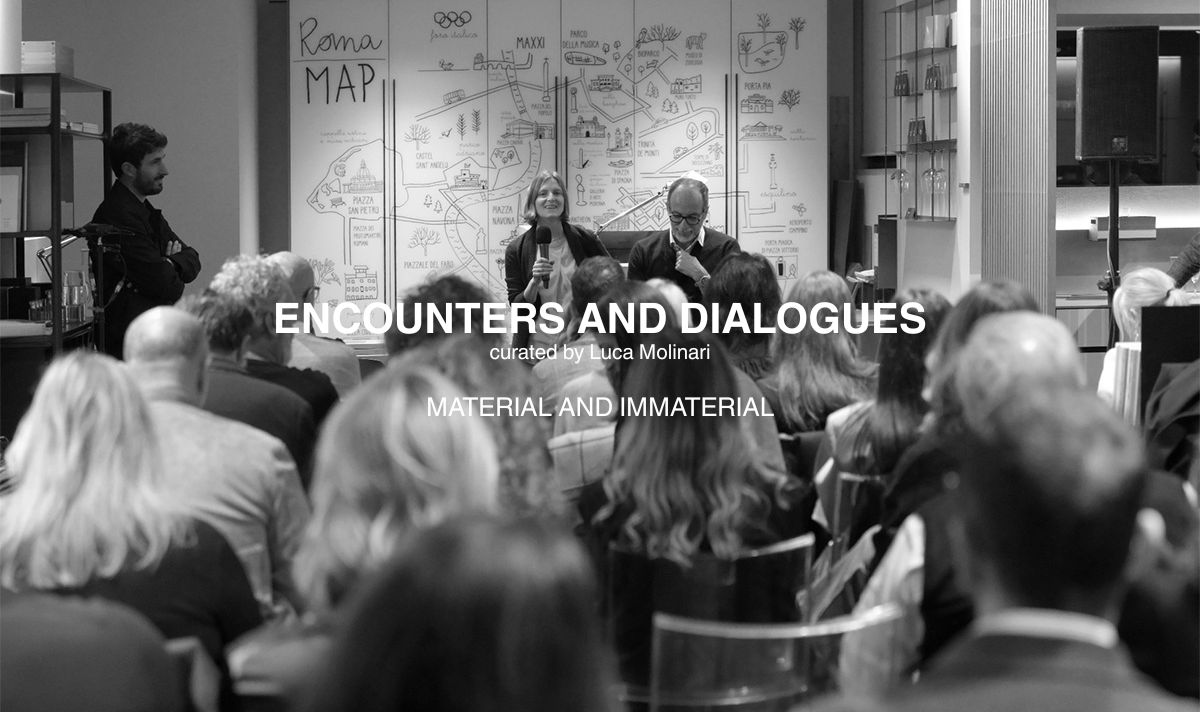
“Encounters and Dialogues” the cultural project curated by Luca Molinari arrives in Rome
The “Encounters and Dialogues” series continues in Rome. Conceived and curated by critic and curator Luca Molinari, this cultural project sees Valcucine and Miele promoting a structured dialogue between architecture, design, business, and culture.
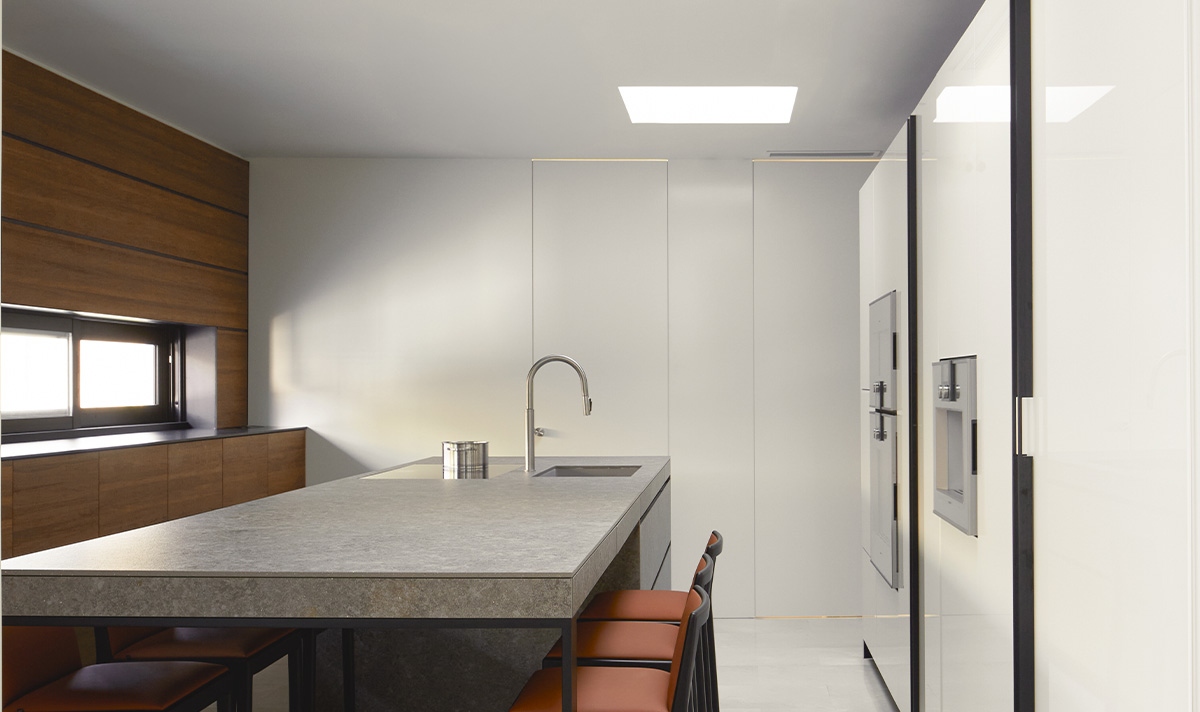
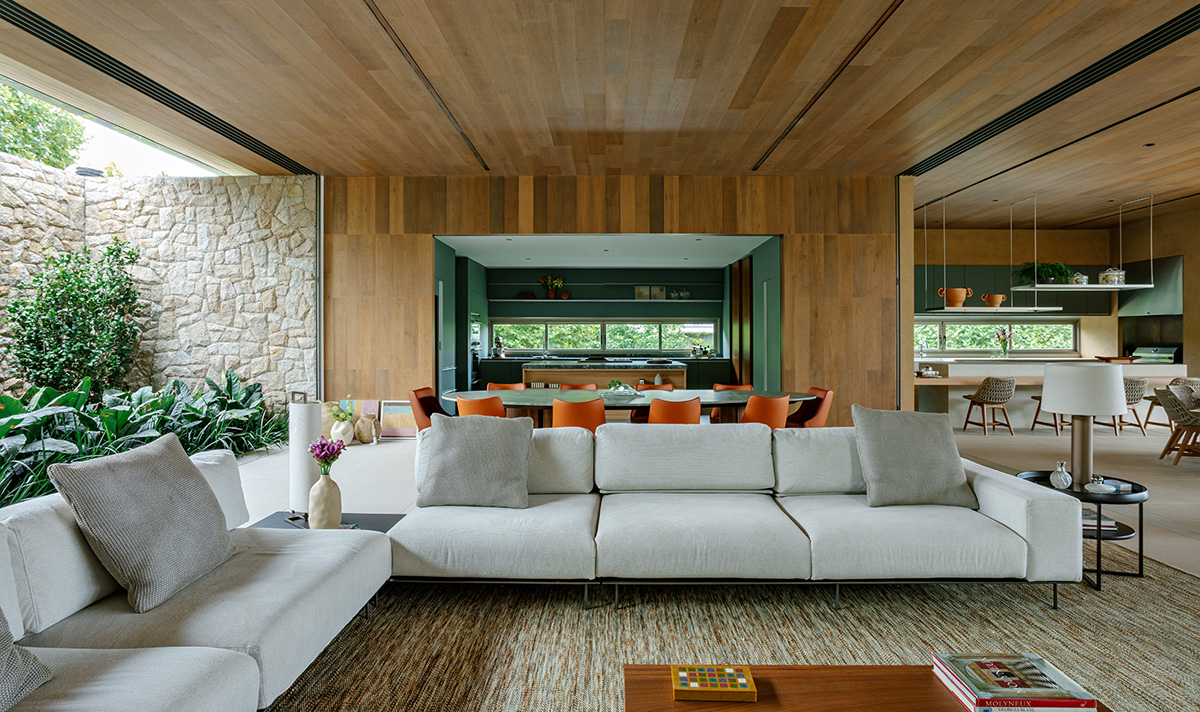
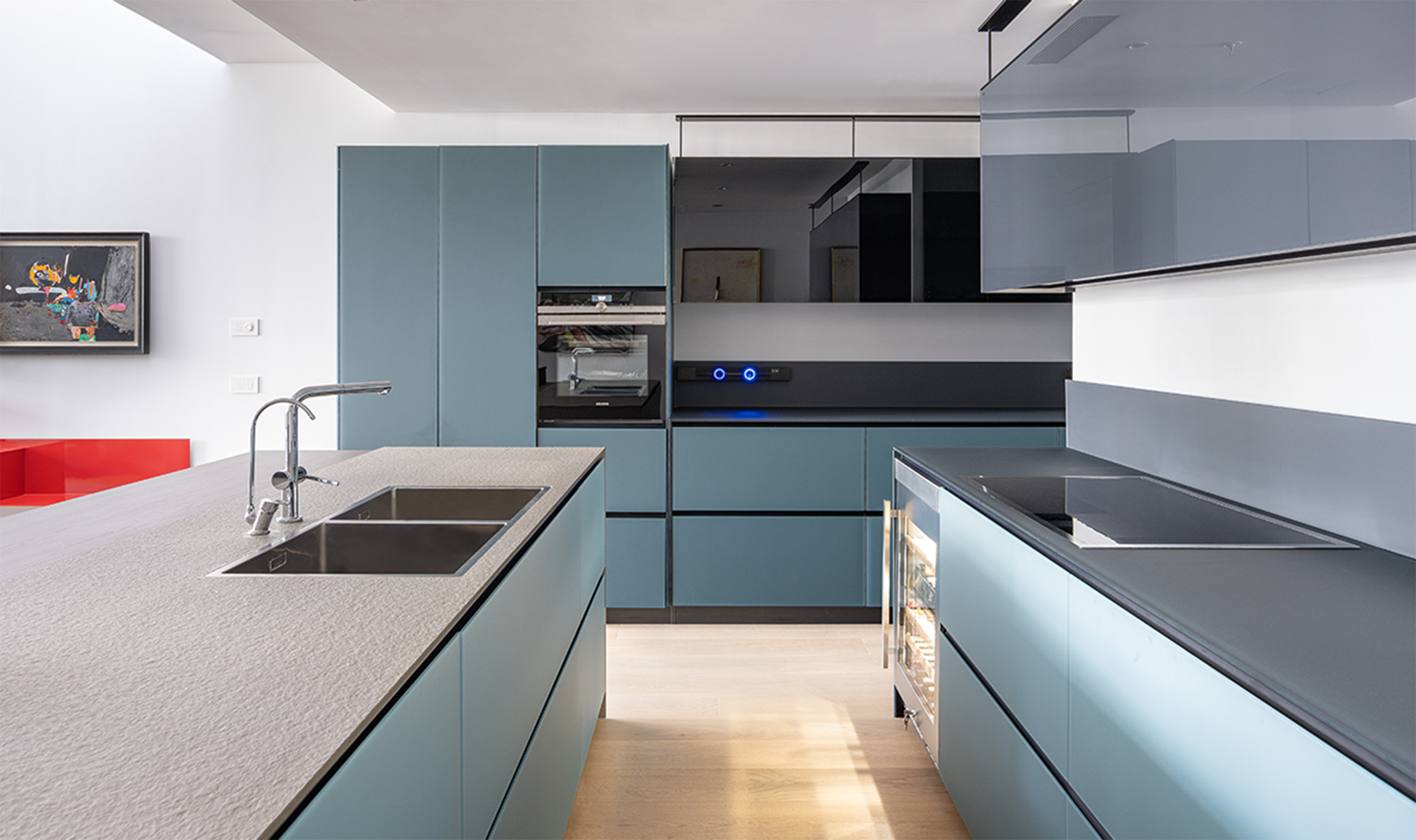
After its Milan debut, the format lands in the Capital at the renewed Atelier Valcucine Roma Eur | Anzalone, with an event devoted to a central polarity in contemporary design: Material and Immaterial. A theme that resonates with some of the most significant transformations of our time—from digitalisation to the redefinition of public and domestic spaces—and one that invites reflection on the role of architecture as a place of cultural, social, and technological connection.
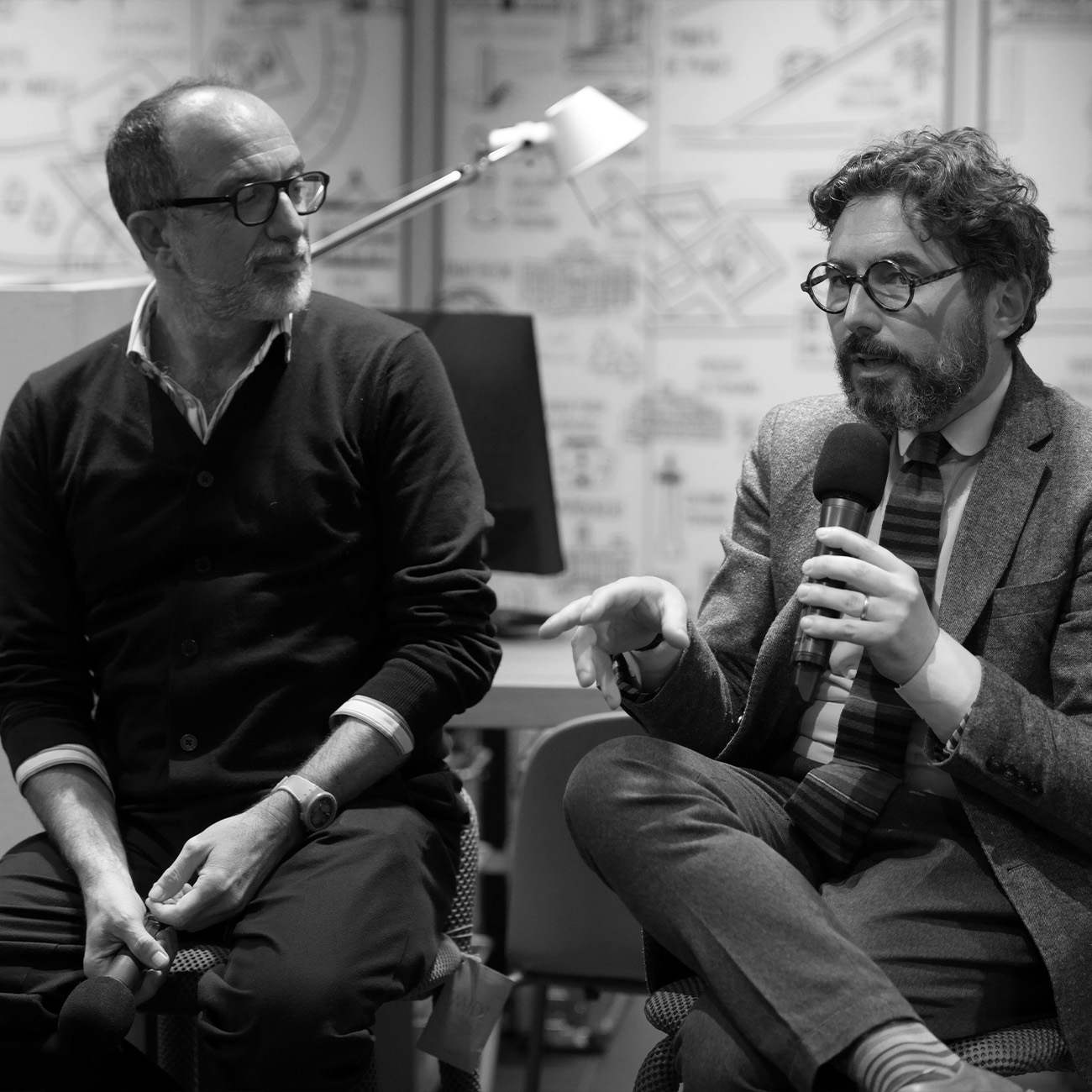
Marco Filoni, professor at Link Campus University in Rome
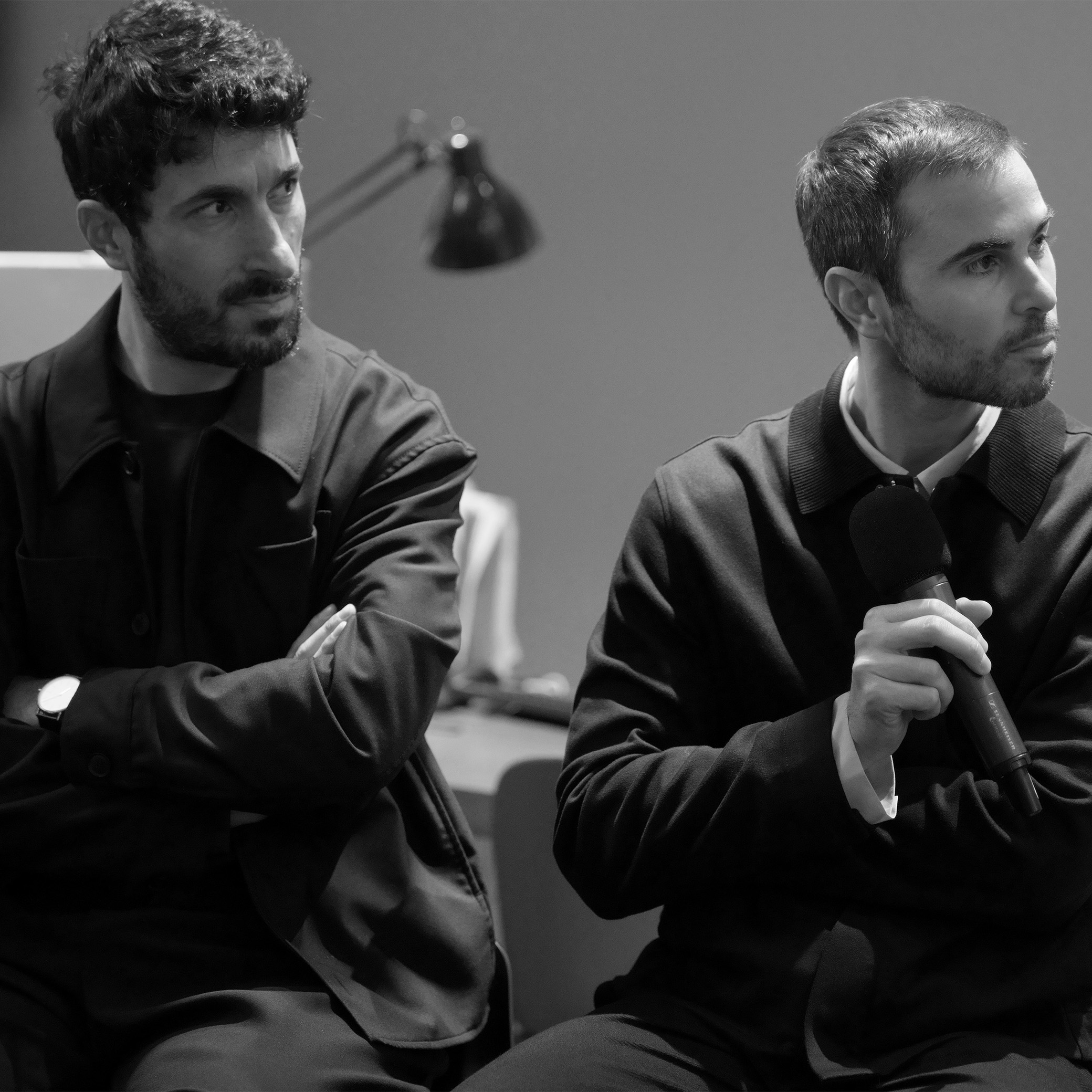
Onorato di Manno and Andrea Tanci, Set Architects
The evening in Rome was divided into two distinct and complementary dialogues. In the first discussion Onorato di Manno and Andrea Tanci, founders of Set Architects together with Marco Filoni, Professor of Political Philosophy at Link Campus University in Rome, approached the topic starting from the domestic and civic dimension of design. They questioned the role of architecture as a generous space—one capable of welcoming different lives and building a sense of belonging. The discussion then expanded to the transformation of everyday experience in the era of digital platforms, exploring the influence of algorithms and artificial intelligence on how we perceive and inhabit space.
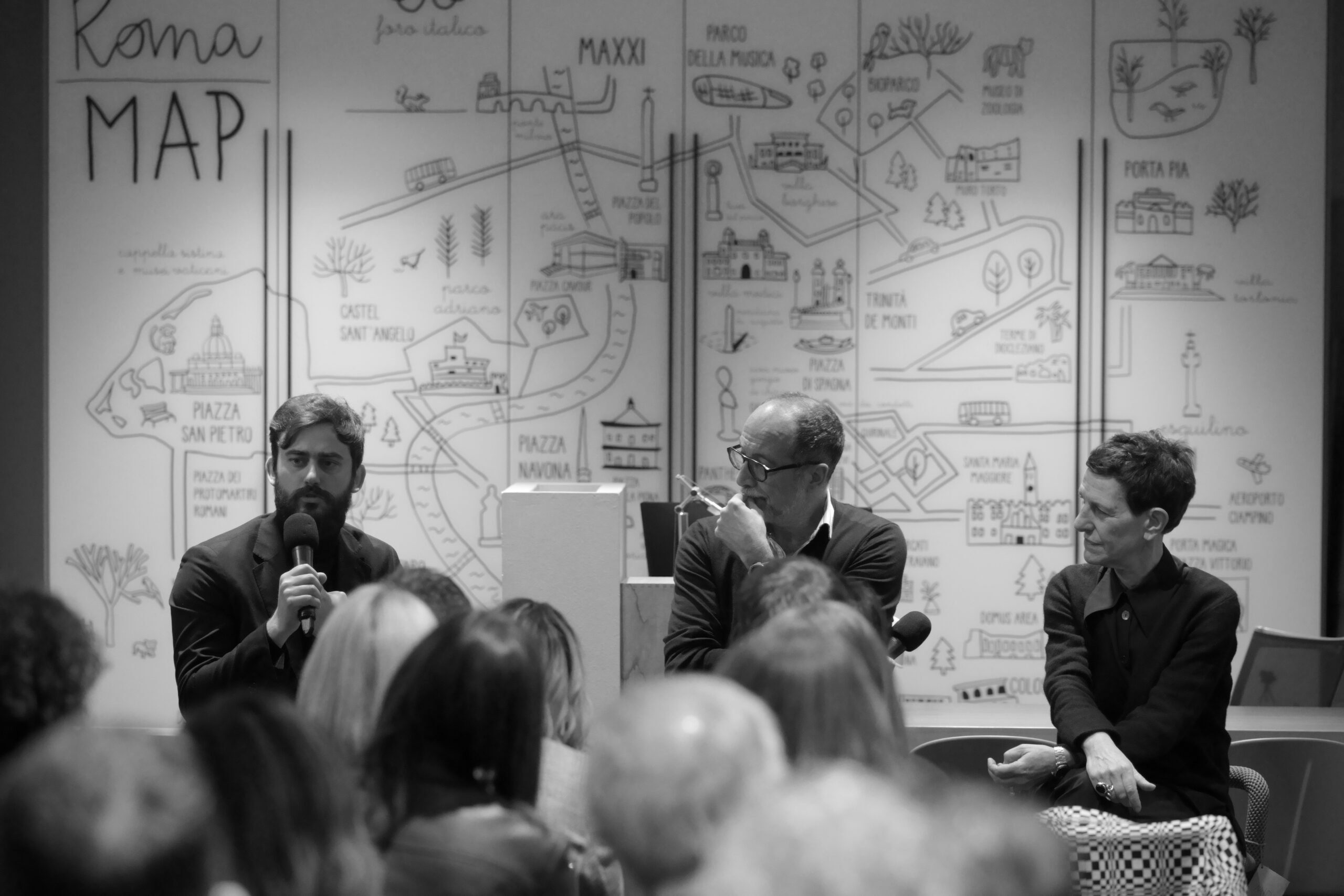
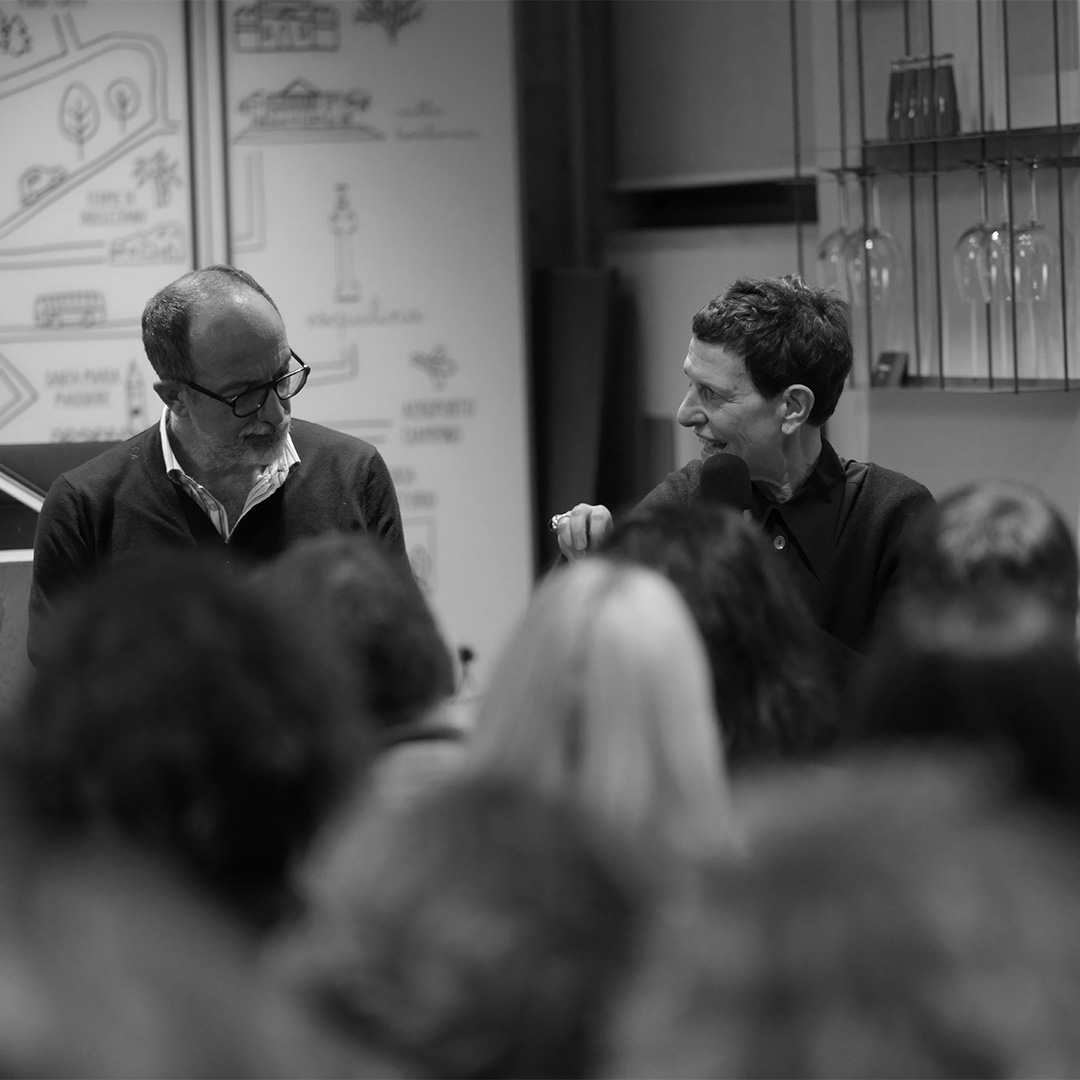
Claudio Sagliocco, in charge of art-historical research and digital content at Galleria Borghese; Maria Claudia Clemente, co-founder of Labics
The second conversation brought the debate to the heart of the relationship between heritage and contemporaneity. Maria Claudia Clemente, founder—together with Francesco Isidori—of Labics, and Claudio Sagliocco, who focuses on art-historical research and digital content at Galleria Borghese, offered a perspective in which historical matter—buildings, collections, stratifications—becomes a field of continuous interpretation. Digitalisation is not seen as a mere archive, but as a tool that can make the invisible visible: reactivating lost works, building new audiences through immersive experiences, and shaping contemporary narratives.
Through different yet intertwined viewpoints, the dialogue highlighted a shared awareness: design always begins with an idea—immaterial—that takes shape in matter, yet continues to live only through the experience of those who inhabit it. Architecture outlasts its functions; artworks change with the gaze of those who observe them; public spaces gain meaning the moment they are truly lived.
The Roman exchange thus conveyed an image of design as a complex cultural act, capable of connecting history and future, space and community, technology and desire—an act that today, more than ever, must face the responsibility of creating places—both physical and symbolic—in which we can recognise ourselves.
Business and culture a shared vision
The Rome stop confirms “Encounters and Dialogues” as a format that can position itself on the national scene not only as an event, but as a travelling cultural platform. A project that moves through Italian cities, creating opportunities for high-quality dialogue among design professionals, institutions, businesses, the media, and other fields of knowledge—bringing disciplines, languages, and different kinds of responsibility into conversation.
At the heart of the initiative is a clear vision: the belief that business can take an active role in today's cultural debate. In this sense, the collaboration between Valcucine and Miele Italia interprets the theme of living as a strategic field in which technological innovation, design quality, and environmental sustainability are part of a single trajectory.
The Atelier Valcucine Roma Eur | Anzalone thus becomes a place of cultural production, not simply an exhibition setting—an environment where design engages with critical thought, and where architecture once again becomes an occasion for collective reflection. What emerges is a coherent narrative, able to weave together technology and ethics, industrial vision and social responsibility, restoring to business a public and cultural dimension that goes beyond the product.
The evening was accompanied by the wines of Barone Pizzini, a historic Franciacorta winery and a pioneer of organic viticulture, which shares with Valcucine a focus on quality, sustainability, and a culture of craft.