Living in light in a contemporary Chengdu residence
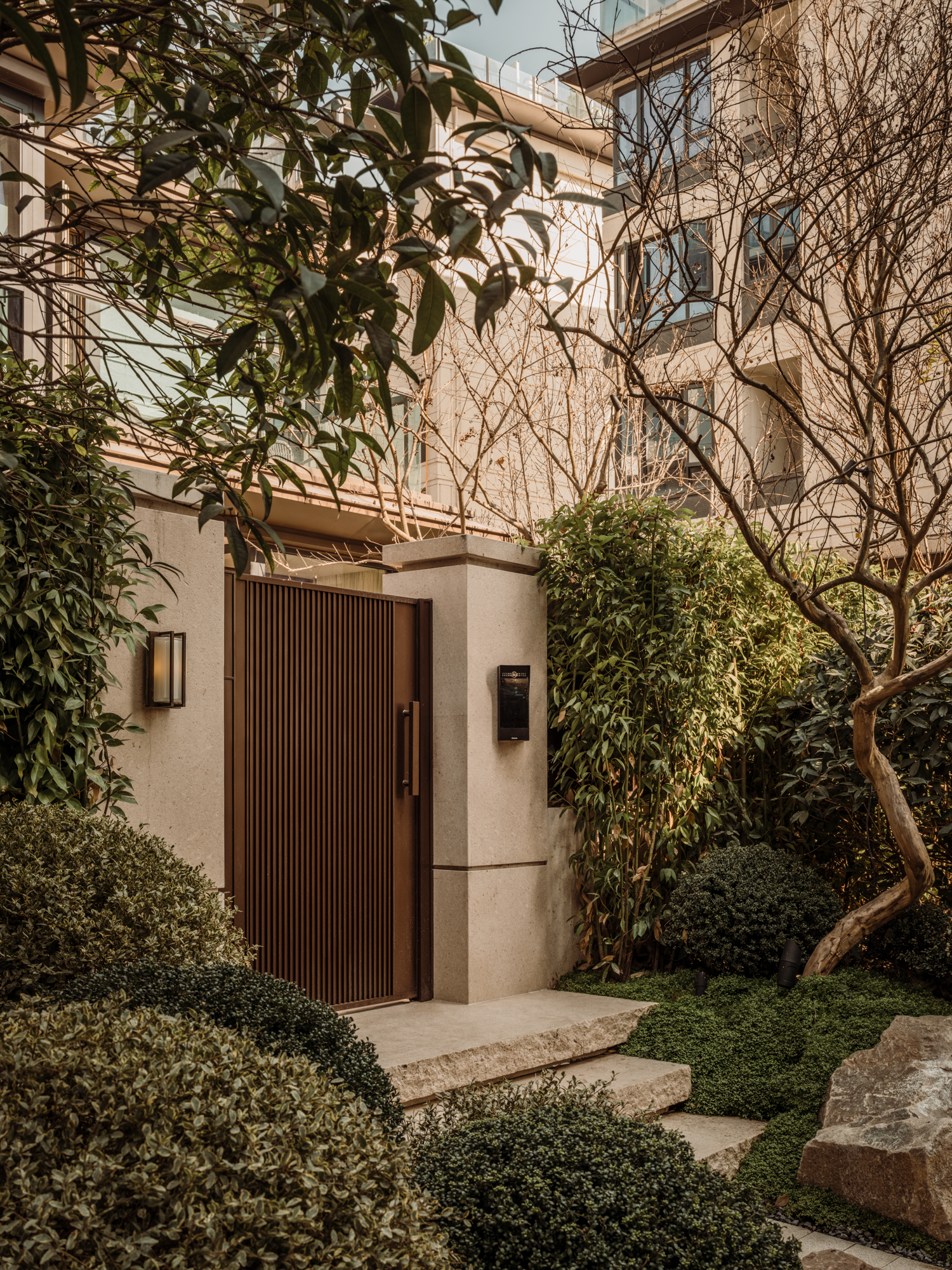
Overlooking the Tianfu Eye area and Yixin Lake in Chengdu, this 620-square-metre residence was created by combining two adjoining residential units and undertaking an extensive spatial transformation. The original home featured a fragmented layout, with rooms that were poorly connected and received little natural light. The project reinterpreted these constraints to create a home shaped around the needs and personality of its owner, a scientist seeking a place that could accommodate family life, work, research and social occasions.
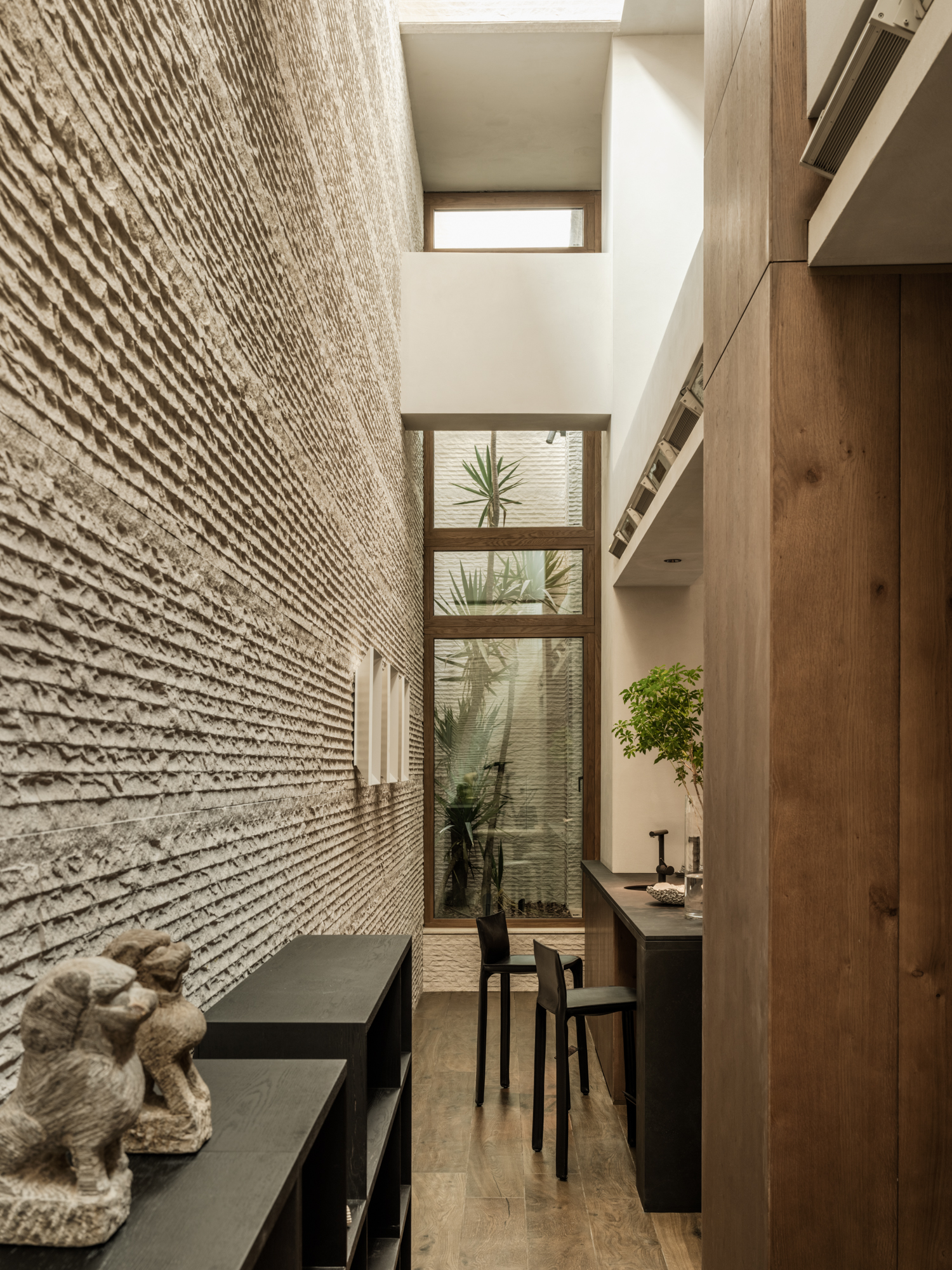
At the heart of the project is a large vertical atrium that extends through the residence, completely redefining the way the space is perceived. A series of alterations to the existing structure allows natural light to travel down to the lower levels of the home, establishing a continuous dialogue between the different floors. Travertine surfaces amplify this effect by reflecting the light and helping to create a calm, enveloping atmosphere.
More than an architectural feature, the atrium becomes the focal point of the entire project. The rooms open up, visual connections multiply and the spaces acquire a new sense of fluidity. Natural light not only enhances the comfort of the interiors but also becomes the connecting thread running through the home, shaping the perception of each environment at different times of the day.
Materials as a design language
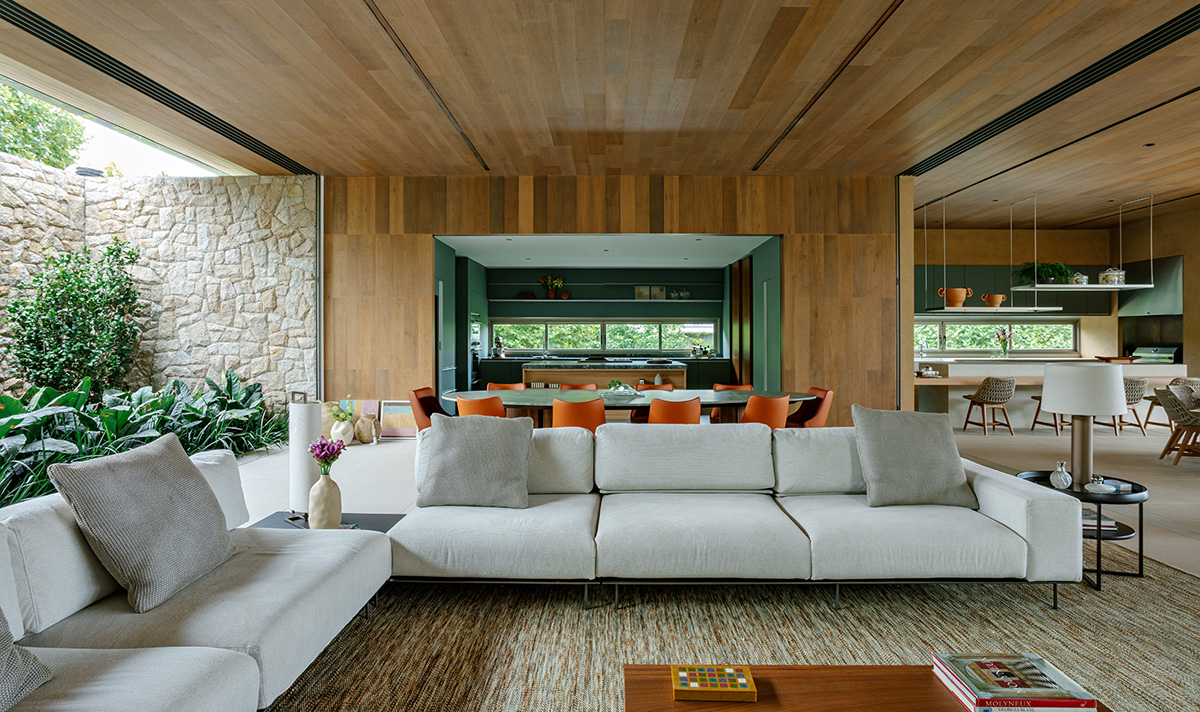
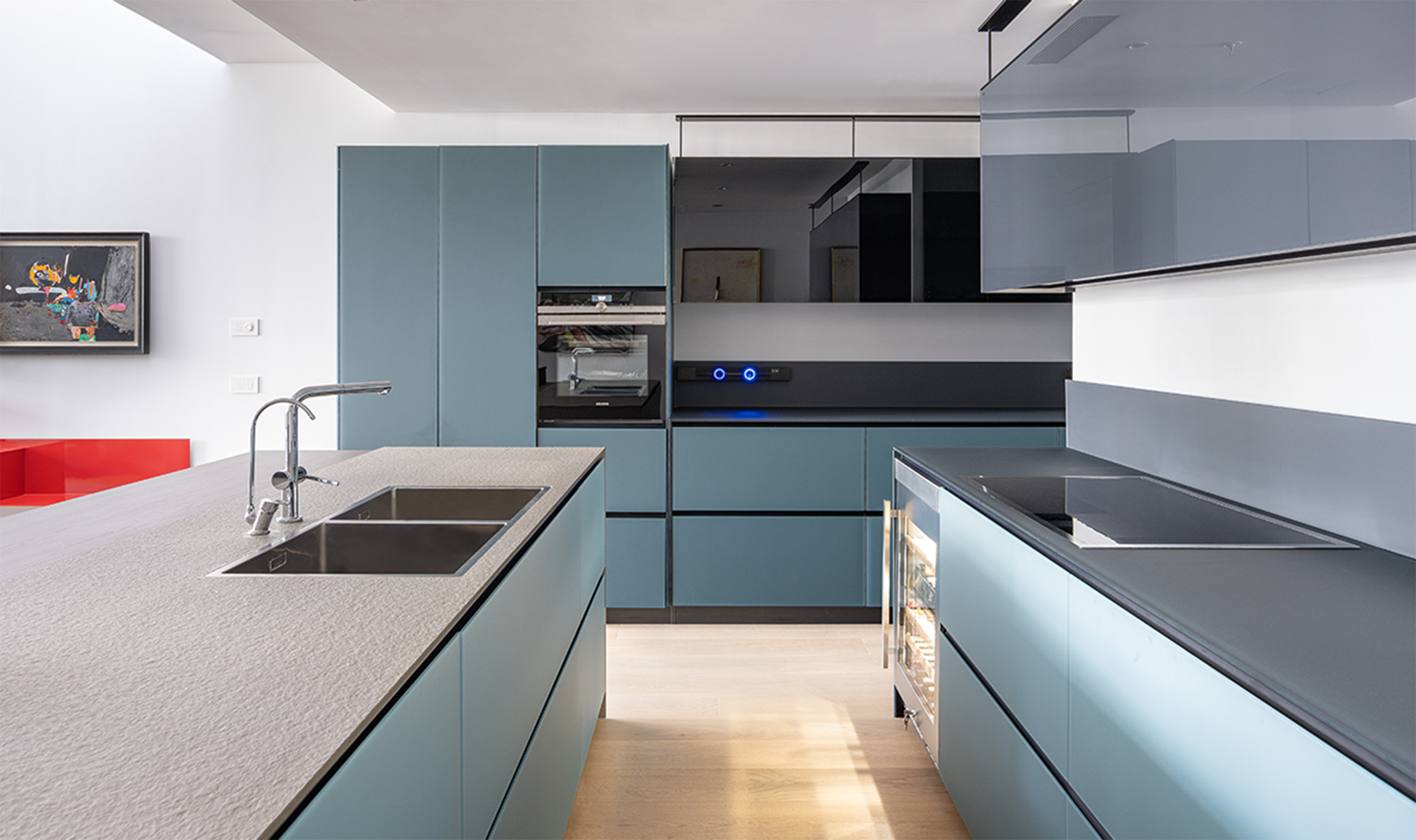
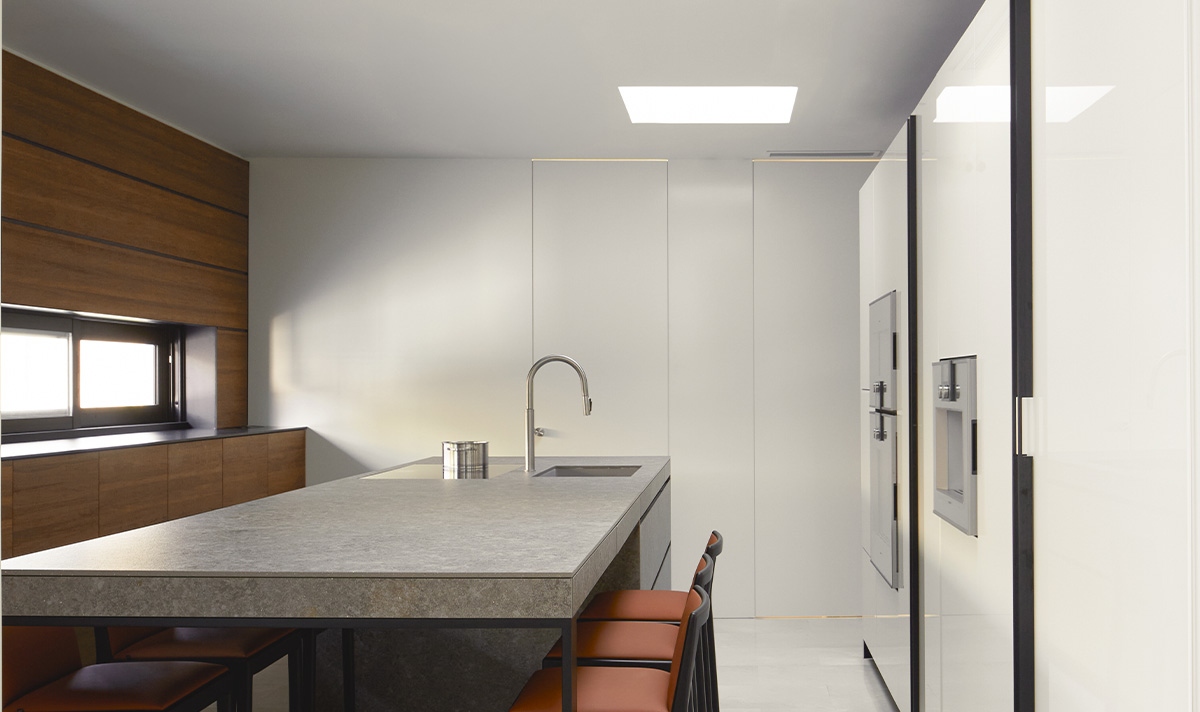
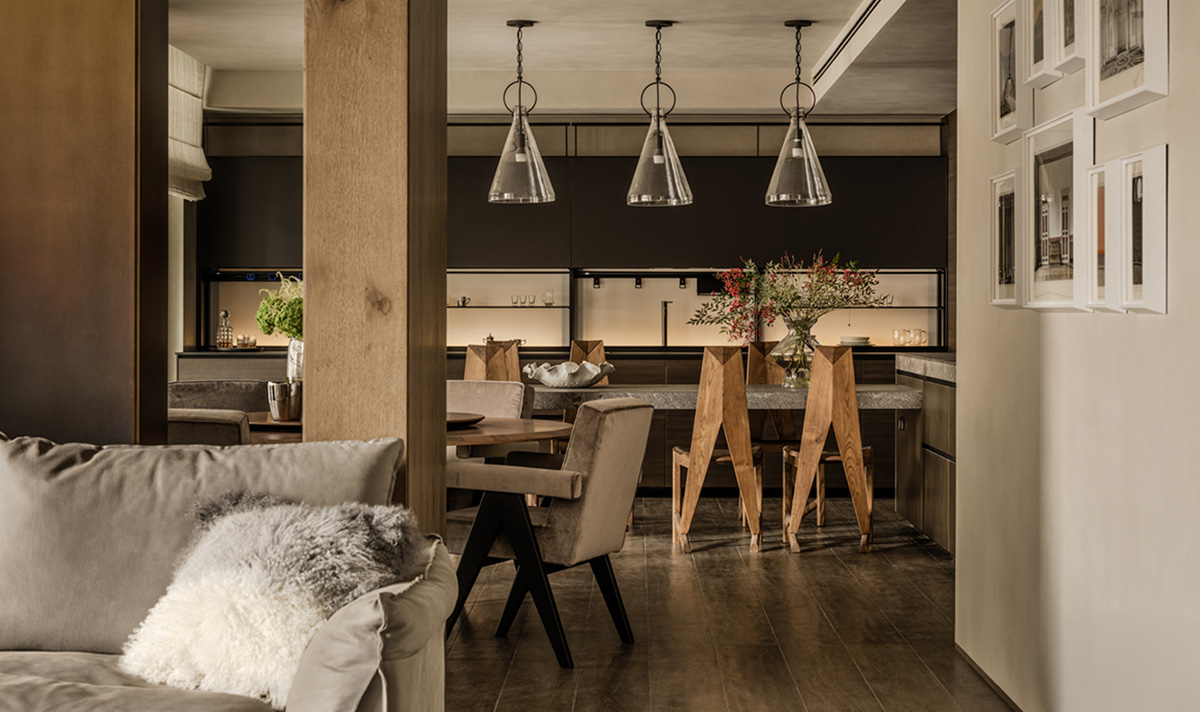
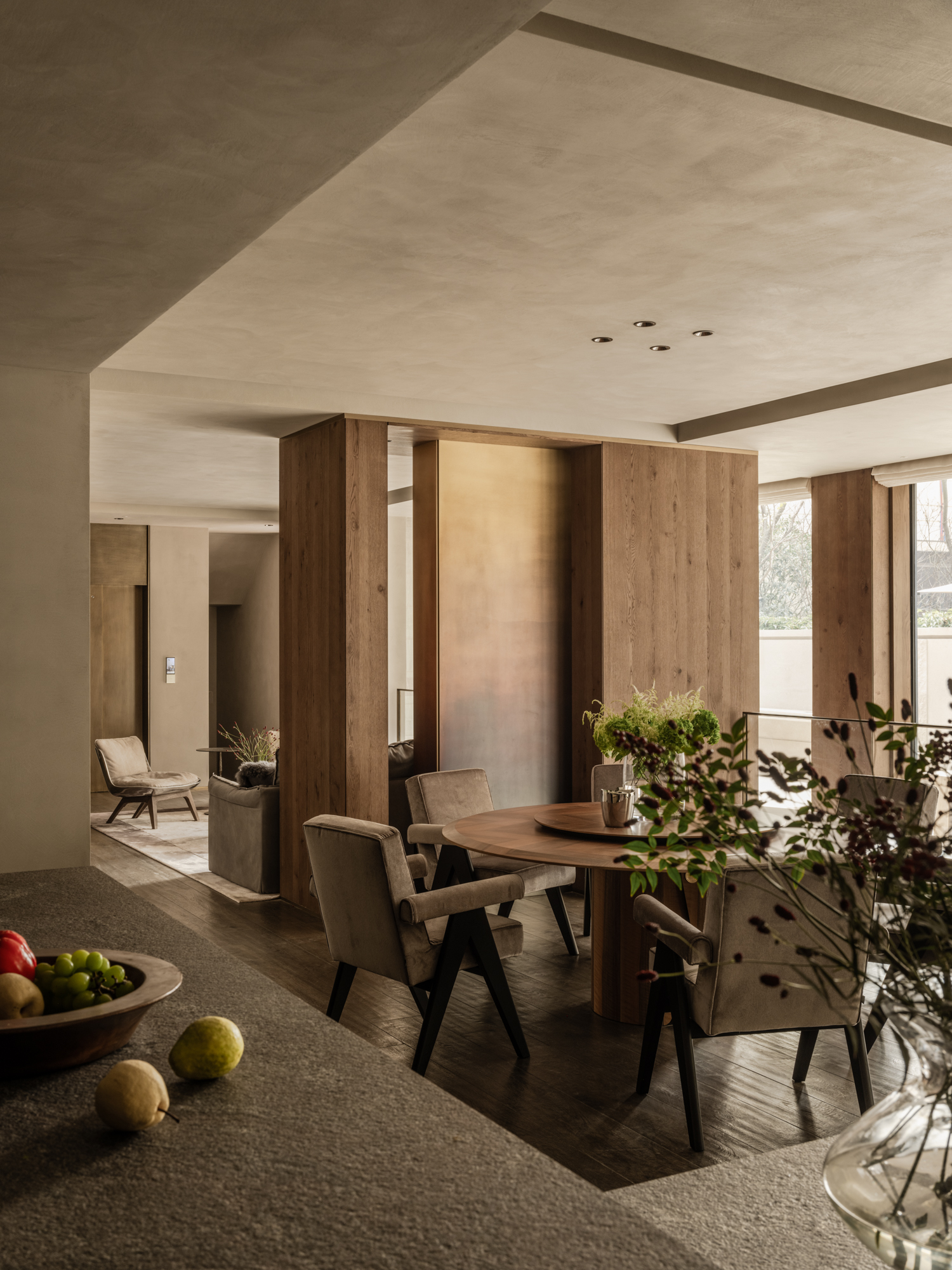
On the first floor, within the open-plan living area, the kitchen designed by dealer Sichuan Besthouse occupies a central place in everyday life. Integrated with the dining and living areas, it was conceived as an open and versatile space that accommodates both daily routines and moments of gathering and sharing.
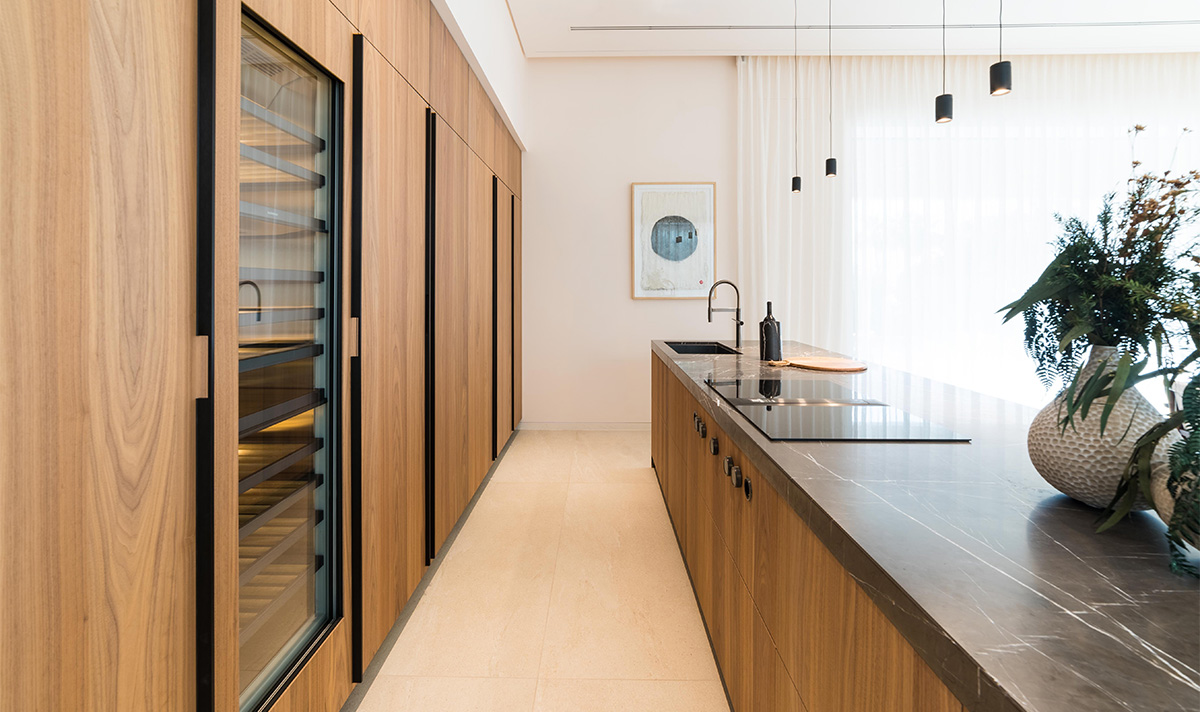
The composition reflects the clarity and rigour that characterise the entire project, while introducing a strong material dimension. Tactile Canaletto Walnut, Lava Granite and Brass establish a balanced dialogue between surfaces, textures and reflections, creating an environment that feels both sophisticated and welcoming. The depth of the wood, the sculptural presence of the stone and the luminosity of the metal come together in a warm, contemporary palette that naturally expresses both the character of the kitchen and the design language of the home as a whole.
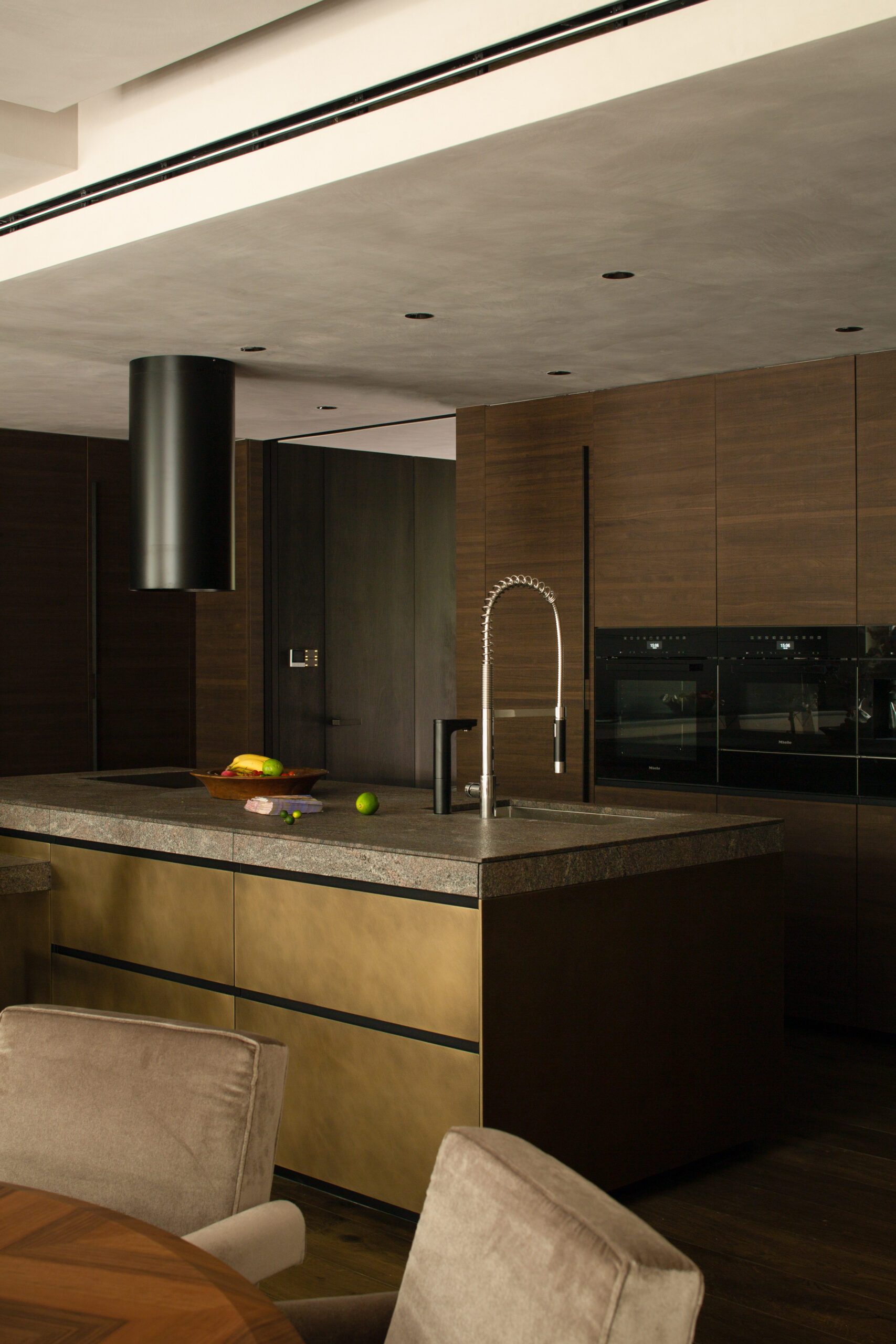
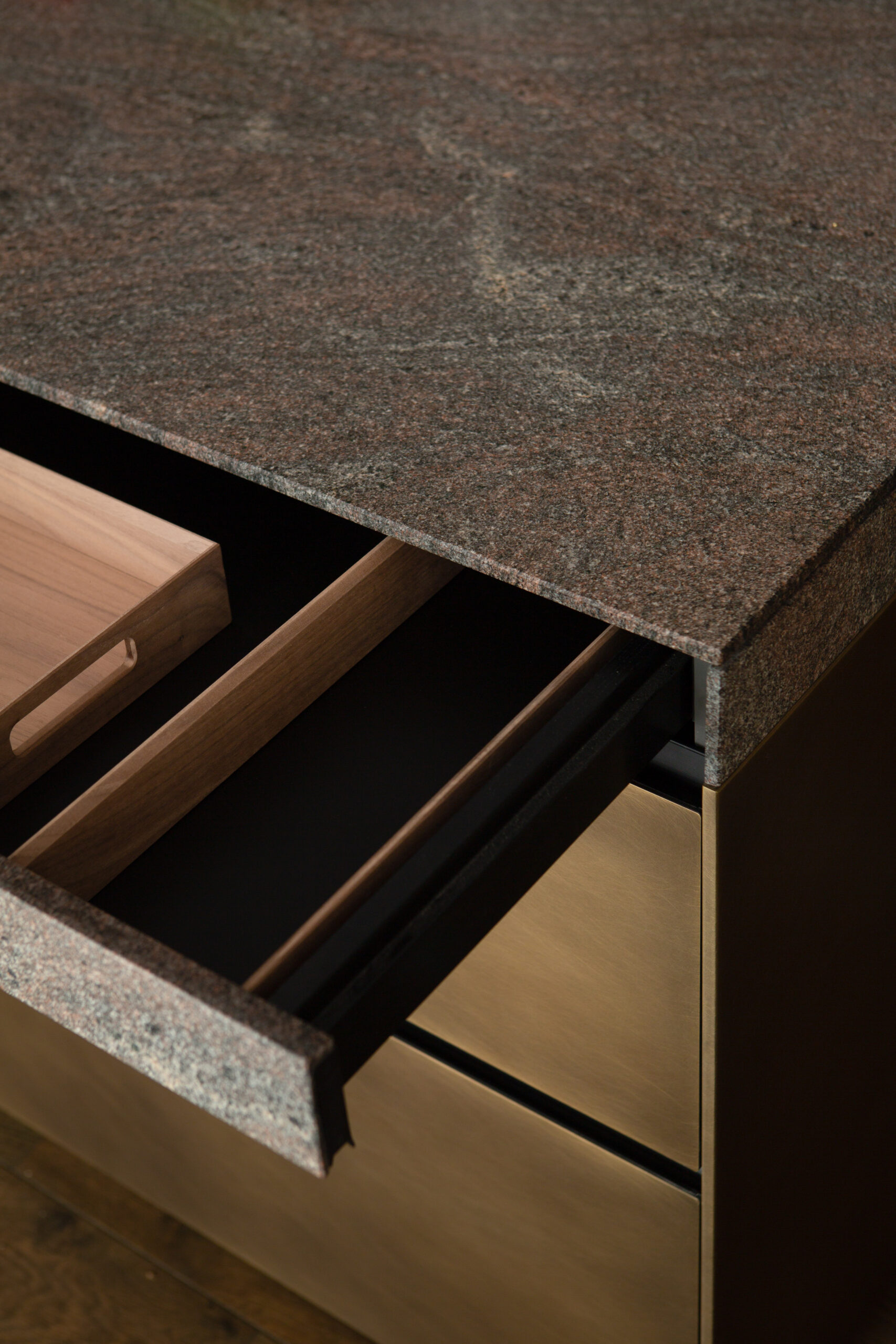
The focal point of the space is the Genius Loci island, completed by a breakfast bar, which combines operational functionality with a convivial dimension. Its generous proportions transform it into a gathering place around which the home's everyday activities unfold, from preparing meals to informal conversations. Integrated into the composition, the Genius Loci under-top drawer, inspired by traditional secretaires, introduces a discreet and personal storage space, enriching the kitchen with an unexpected detail.
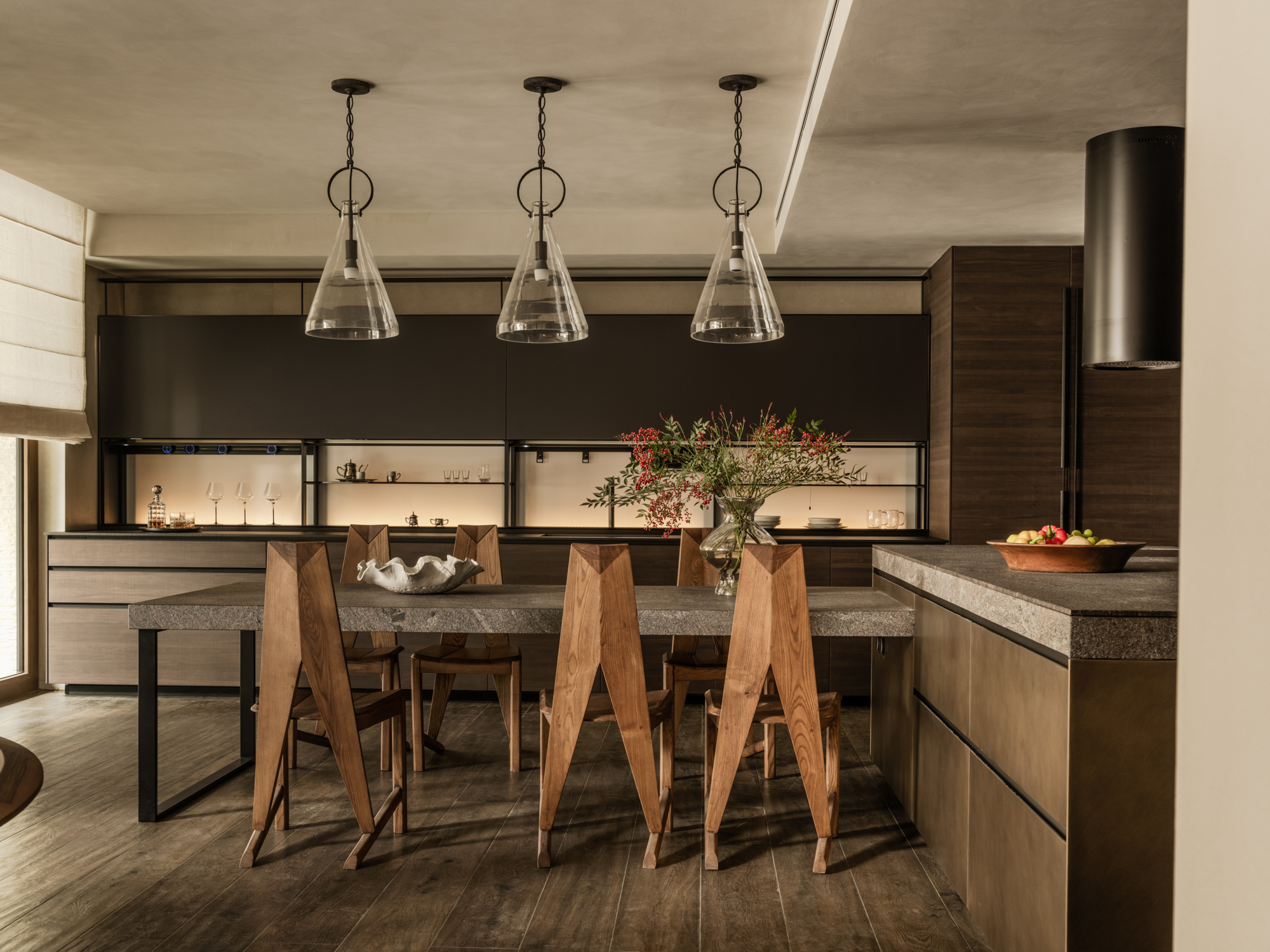
The composition is enhanced by the New Logica Special Element with Black Vitrum doors, a solution that organises and conceals the operational functions while preserving order and visual continuity with the surrounding spaces. The kitchen therefore remains perfectly integrated into the living area, even when the home opens up to guests.
Light plays a fundamental role in this setting. Throughout the day, it moves through the space and interacts with wood, stone, glass and metal, enhancing their material qualities and continuously transforming the way they are perceived. The kitchen thus contributes to the same narrative that defines the entire residence: a carefully measured balance between functionality, material research and the quality of the domestic experience.
A home designed around those who live in it
The organisation of the residence follows a gradual transition from shared areas to more private spaces. While the first floor forms the centre of family life and conviviality, the basement accommodates the project's more personal dimension.
Here, the atrium reveals its full transformative power. What was once a service area has become a spacious and light-filled environment, defined by a double-height volume that accommodates a lounge, a study area and a reading corner. The material language remains consistent with the rest of the home: travertine, oak, leather and surfaces in natural tones help create an intimate and contemplative atmosphere.
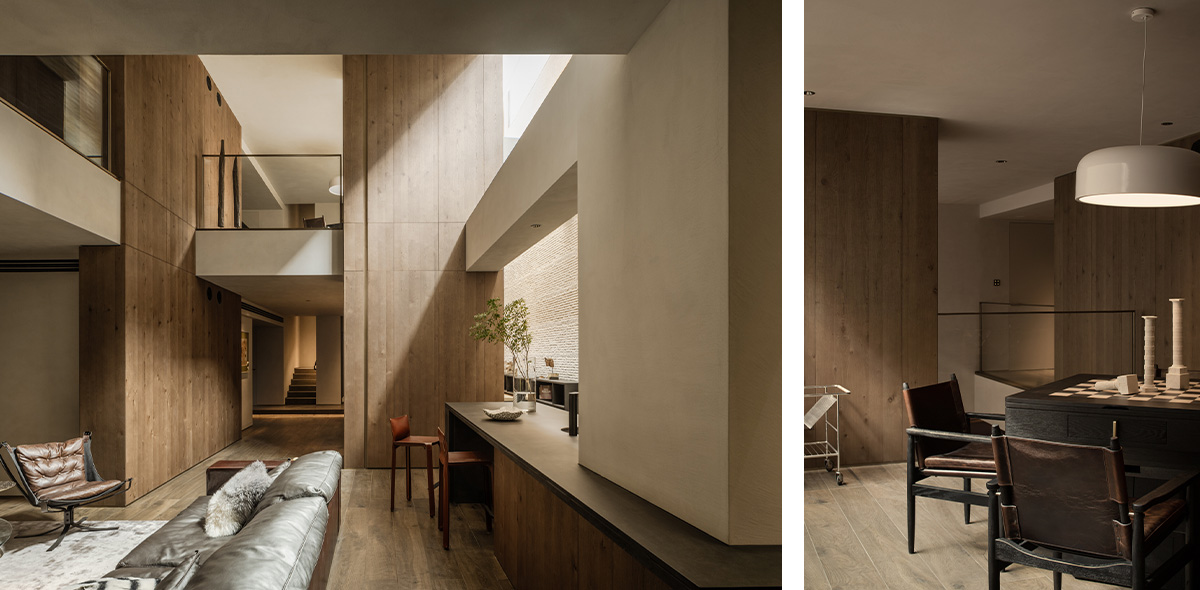
Particularly significant is the area dedicated to reading and research, which houses the owner's personal library together with manuscripts, notes and materials collected over more than thirty years of work. The light descending from the atrium gently accompanies this space, transforming it into a place devoted to concentration and reflection.
The mezzanine accommodates a guest suite and an entertainment area, while the second floor completes the transition towards the home's private dimension, with bedrooms and reading spaces designed for rest and relaxation. Plaster, reclaimed wood, linen and cashmere define an understated and soothing palette, enhanced by warm, discreet lighting.
Throughout the residence, the design focuses on longevity rather than immediate effect. Authentic materials, balanced proportions and particular attention to the quality of light create environments that evolve gracefully over time, without following passing trends.
The transformation of a standardised residential structure into a deeply personal home demonstrates how architecture and interior design can become a natural extension of the lifestyle of those who inhabit it. In this project, light is the connecting thread that brings together spaces, materials and functions, while the kitchen represents one of its most accomplished expressions: a place where design precision, conviviality and domestic warmth coexist in perfect balance.
Ph credits by Pianfang Studio
Interior Design by studio Shangceng Design